
The foundations, the environment, and the deeper factors nobody talks about
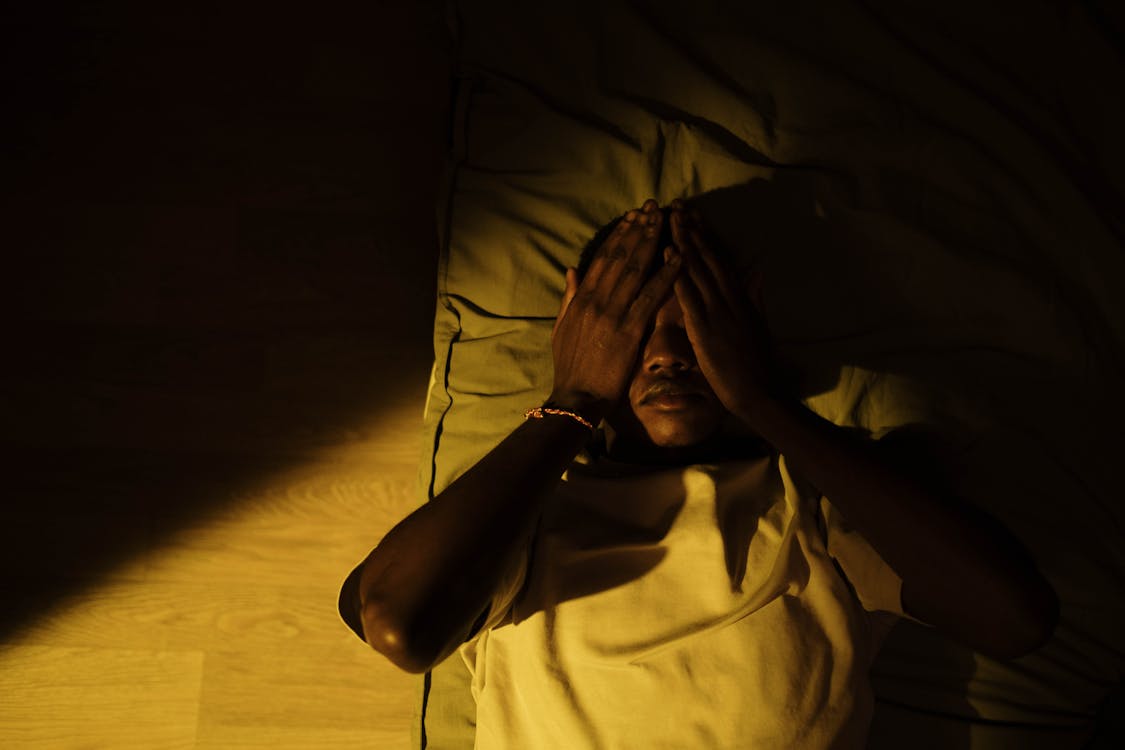
I can’t tell you how many times someone has sat across from me and said, “I mean, I sleep… I just don’t sleep well”—as if broken sleep is so common that it barely registers as a problem anymore. That’s the part that concerns me. We’ve gotten so used to waking up unrested that we’ve started treating it as normal; “common” doesn’t equate to “normal.”
Sleep dysfunction shows up in almost every case that walks through my door. Blood sugar issues, weight loss resistance, brain fog, mood instability, chronic fatigue, elevated inflammation—the thread that runs through so many of these is poor sleep. Not “I stayed up too late watching Netflix” poor sleep, but the kind where someone is in bed for eight hours and wakes up feeling like they got three.
What I’ve learned—both from the research and from working with hundreds of people—is that sleep is rarely just one problem. It’s layered. There are foundations that need to be in place, an environment that needs to be right, and then beneath all of that, deeper physiological factors that can override even the best sleep hygiene in the world.
This post is my attempt to cover the full picture. It’s long, and I make no apology for that—frankly, it’s a massive topic that could never fit in a single post. What I can do is give you enough to start identifying what might be going on under the hood and some concrete things you can do about it.
The Circadian Foundation: Light Is the Master Switch
Before we talk about supplements, sleep environments, or anything else—we need to talk about light. Your circadian rhythm is the 24-hour internal clock that governs when you feel awake and when you feel sleepy, and the single most powerful input that sets that clock is light exposure through your eyes.
The research consistently shows that cortisol and melatonin operate on an inverse rhythm. Cortisol peaks within about 30 to 45 minutes of waking—this is called the cortisol awakening response—and it’s what gives you energy and alertness in the morning. Melatonin, your sleep hormone, is suppressed during the day and begins rising in the evening as light diminishes, peaking in the middle of the night during your deepest sleep.
When this rhythm is working correctly, you feel alert during the day and sleepy at night. When it’s disrupted—and modern life is spectacularly good at disrupting it—everything downstream suffers.
Morning Sunlight
This is the single most underrated intervention in sleep medicine, in my opinion.
Getting direct sunlight exposure within the first 30 to 60 minutes of waking does something that no supplement, no sleep app, and no blackout curtain can replicate—it sends a powerful signal to your suprachiasmatic nucleus (the master clock in your brain) that it’s daytime. This suppresses melatonin, triggers the cortisol awakening response, and starts a hormonal cascade that sets you up for appropriate melatonin release roughly 12 to 14 hours later.
The research on this is consistent—early morning bright light exposure suppresses melatonin, elevates cortisol appropriately, and improves both sleep quality and sleep onset timing. The key word is direct. Sunlight through a window loses a significant portion of its intensity; you want to be outside, even if it’s overcast. Ten to twenty minutes on a clear day, closer to thirty on a cloudy day. You don’t need to stare at the sun—just being outside with your eyes open and uncovered by sunglasses is sufficient. I’ve written a deeper exploration of how light functions as a nutrient across the full day cycle.
Midday and Afternoon Sunlight
Morning light sets the clock; midday and afternoon light reinforces it. The wavelengths shift as the sun moves through the sky—bright white and blue-enriched light in the morning transitions to warmer yellow and orange tones in the afternoon. These wavelength changes serve as additional timing signals that help consolidate your circadian rhythm.
Getting outside midday—even for a walk, even for ten minutes—provides a secondary anchor point. It also gives you a natural source of vitamin D synthesis, which we’ll come back to.
Evening Light and Sunset Viewing
As the sun approaches the horizon, the light spectrum shifts dramatically toward red and amber wavelengths. Viewing sunset—or at minimum, getting exposure to this warmer light—signals to your brain that the active phase of the day is winding down. It’s the counterpart to the morning signal: where morning light says “wake up and produce cortisol,” evening light says “start transitioning toward melatonin production and sleep.”
This is also why blue light exposure from screens and bright overhead lighting in the evening is so disruptive. You’re essentially sending a morning-type signal to your brain at the exact time it needs the opposite. If you’re not going to eliminate screens in the evening (and most people aren’t), blue-light blocking glasses in the last two to three hours before bed can help attenuate the damage. Amber or red-tinted lenses are what you’re looking for—the clear “blue light” glasses marketed everywhere don’t block enough of the spectrum to make a meaningful difference.
When You Can’t Get Natural Light
I live in the real world, and so do you. Shift workers, people in northern latitudes during winter, anyone who wakes up before sunrise or works in an office without windows—natural light exposure isn’t always practical.
A 10,000-lux light therapy lamp used for 20 to 30 minutes within the first hour of waking can serve as a reasonable substitute. It’s not identical to sunlight—it lacks the full spectrum and the UV component—but it’s far better than nothing. Position it at a slight angle to your face, not directly overhead, and keep your eyes open in its direction without staring directly at it. This is a well-studied intervention for seasonal affective disorder and circadian disruption, and in my experience, it makes a real difference for people who can’t get morning sun.
The Sleep Environment
Once the circadian foundation is in place, the physical space where you sleep becomes the next lever.
Temperature
Your core body temperature needs to drop by about one to two degrees Fahrenheit to initiate and maintain sleep. A room that’s too warm works directly against this process. The research generally points to a bedroom temperature in the range of 65 to 68 degrees Fahrenheit as optimal for most people—cooler than what most of us keep our homes at during the day.
If that feels cold, it’s worth noting that your body is supposed to be cooler during sleep. Warm blankets with a cool room is the combination you’re looking for—you want the ambient air to be cool enough to facilitate the core temperature drop while still feeling comfortable under covers.
Darkness
Complete darkness. Not “pretty dark.” Not “I can still see the outline of my furniture.” As close to pitch black as you can get.
Light exposure during sleep—even dim light—has been shown to suppress melatonin production and reduce sleep quality even when people don’t consciously wake up. Blackout curtains are worth the investment. Cover or remove any LEDs from electronics in the bedroom (the little standby lights on TVs, routers, charging indicators). If blackout curtains aren’t feasible, a well-fitting sleep mask is a solid alternative—look for one with a contoured design that doesn’t put pressure on your eyelids.
Sound
Quiet is the goal, though “quiet” is relative and not always achievable. If you live in an environment where external noise is a factor—traffic, neighbors, a snoring partner, barking dogs—a white noise machine or a fan can provide consistent background sound that masks the intermittent disruptions. The key word is consistent; it’s not the volume of noise that disrupts sleep as much as the variability. A steady hum at moderate volume is far less disruptive than silence punctuated by random loud sounds.
Nutritional Support for Sleep
These aren’t sleeping pills. They’re nutrients that support the biological systems responsible for healthy sleep architecture—and in my experience, deficiencies in these areas are incredibly common.
Vitamin D3 and K2
Vitamin D receptors exist throughout the brain, including in the regions that regulate sleep. The research connecting vitamin D deficiency to poor sleep quality, shorter sleep duration, and increased sleep disturbances is growing, and what I see clinically lines up with it. Many of the people I work with who have persistent sleep issues also have vitamin D levels well below optimal.
Vitamin D3 is the form you want—not D2—and it pairs with vitamin K2 (MK-7 form) to ensure proper calcium metabolism. Without K2, D3 supplementation can drive calcium into soft tissues rather than into bones and teeth where it belongs. A common range I’ve seen work well is 5,000 IU of D3 daily with 100 to 200 micrograms of K2 (MK-7), though optimal dosing depends on your current blood levels. Getting your 25-hydroxy vitamin D tested is worth the effort; the lab reference range says 30 ng/mL is “normal,” but most practitioners in this space aim for 50 to 80 ng/mL for optimal function.
Take vitamin D in the morning or midday—not at night. There’s some evidence that evening vitamin D supplementation can suppress melatonin, which is the opposite of what you want.
Magnesium
Magnesium is involved in over 300 enzymatic reactions in the body, and its role in sleep is well-documented. It supports GABA activity—the neurotransmitter that calms the nervous system—and helps regulate melatonin production. It also plays a role in muscle relaxation, which is why deficiency often shows up as muscle tension, cramping, and restless legs at night.
Magnesium glycinate is the form I recommend most often for sleep support—it’s well-absorbed and the glycine component has its own calming properties. A dose of 200 to 400 milligrams taken 30 to 60 minutes before bed is a reasonable starting point. Magnesium threonate (Magtein) is another option that crosses the blood-brain barrier more readily and may offer additional cognitive and neurological benefits, though it tends to be more expensive.
As with the carnivore transition, I’d steer away from magnesium oxide for this purpose—poor absorption and GI side effects make it a suboptimal choice.
Omega-3 Fatty Acids
The connection between omega-3s and sleep doesn’t get as much attention as it deserves. EPA and DHA—the long-chain omega-3s found in fatty fish and fish oil—play a role in reducing neuroinflammation and supporting the fluidity of cell membranes in the brain, both of which influence sleep architecture. There’s research suggesting that higher omega-3 intake is associated with better sleep quality and longer sleep duration, and that DHA specifically supports melatonin production.
If your diet is rich in fatty fish (salmon, sardines, mackerel), you may be covered. If it’s not, a quality fish oil or cod liver oil supplement providing at least 1,000 milligrams combined EPA and DHA is a reasonable baseline. Cod liver oil has the added benefit of providing vitamins A and D, though you’d want to account for that in your total vitamin D intake.
When the Foundations Aren’t Enough
Here’s where I want to add a layer of nuance that most sleep advice skips entirely.
I’ve worked with people who have done everything right—morning sunlight, cool dark room, magnesium before bed, no screens after 8 PM—and they’re still not sleeping well. When that happens, the problem isn’t their sleep routine. It’s something deeper that the routine can’t override.
Blood Sugar Dysregulation
This is one of the most common culprits I see, and it’s also one of the least discussed in mainstream sleep advice.
If your blood sugar drops too low during the night—a phenomenon called nocturnal hypoglycemia—your body responds by releasing cortisol and adrenaline to bring blood sugar back up. These are alertness hormones. They wake you up, usually between 2:00 and 4:00 AM, often with a racing heart, and make it difficult to fall back asleep.
This pattern is particularly common in people with insulin resistance, people on blood sugar-lowering medications, and people whose last meal was high in refined carbohydrates that caused a blood sugar spike followed by a crash. It’s one of the reasons I see sleep improve so dramatically in people who transition to a lower-carbohydrate, animal-based diet—blood sugar stability eliminates the nocturnal crashes.
If this sounds like your pattern, it’s worth looking at the timing and composition of your last meal. A meal that includes adequate protein and fat can help maintain stable blood sugar through the night.
Stress and HPA Axis Dysregulation
Chronic stress doesn’t just make it hard to fall asleep because you’re worrying about things—it fundamentally disrupts the cortisol rhythm that governs your sleep-wake cycle.
Under prolonged stress, the HPA (hypothalamic-pituitary-adrenal) axis can become dysregulated. Cortisol may stay elevated in the evening when it should be dropping, making it physically difficult to wind down. Or the rhythm may flatten entirely—low cortisol in the morning (which means you can’t get going) and elevated cortisol at night (which means you can’t shut off).
This is one of those areas where no amount of sleep hygiene will solve the problem if the underlying stress isn’t addressed. Nervous system regulation practices—breathwork, time in nature, movement, genuine rest—become part of the intervention. For some people, adaptogenic herbs like ashwagandha (specifically the KSM-66 extract, which has the most research behind it) can help support a healthier cortisol curve, though they’re a complement to lifestyle changes, not a substitute. The full mechanics of how chronic stress creates a self-reinforcing loop—and how to start breaking it—is covered in a dedicated post.
Medications
This is an underappreciated factor. Several commonly prescribed medications can interfere with sleep architecture:
- Statins can deplete CoQ10 and cause muscle pain that disrupts sleep
- Beta-blockers suppress melatonin production
- SSRIs and SNRIs can disrupt REM sleep and cause vivid dreams or insomnia
- Corticosteroids elevate cortisol and can cause significant sleep disruption
- Stimulant medications (including some ADHD medications) have obvious sleep implications but are sometimes taken too late in the day
- Blood pressure medications — some classes, like ACE inhibitors, can cause a persistent dry cough that disrupts sleep
I’m not suggesting anyone stop taking their medications—please don’t. What I am saying is that if you’ve started a new medication and your sleep changed around the same time, it’s worth having that conversation with your prescribing provider. Sometimes a dose adjustment, a timing change, or a switch to a different medication in the same class can resolve the issue without compromising the therapeutic benefit.
Hormonal Disruption
Thyroid dysfunction—both hypo and hyper—can significantly affect sleep. Hypothyroidism can cause fatigue that paradoxically doesn’t lead to restful sleep, while hyperthyroidism can make it nearly impossible to calm down enough to sleep.
Sex hormone imbalances play a role too. Declining progesterone in perimenopause is one of the earliest drivers of sleep disruption in women—progesterone has a calming, GABA-promoting effect, and as it drops, so does sleep quality. Low testosterone in men can affect sleep architecture as well, particularly the amount of time spent in deep, restorative sleep stages.
If sleep disruption persists despite good foundations and good environment, hormonal labs are worth running.
Gut Health and Neurotransmitter Production
This one surprises people, but the gut produces roughly 90 to 95 percent of the body’s serotonin—and serotonin is the precursor to melatonin. If gut health is compromised—whether from dysbiosis, intestinal permeability, chronic inflammation, or SIBO—the downstream effect on neurotransmitter production can directly impact sleep.
I see this clinically more than I expected to when I first started paying attention to it. People with chronic digestive issues often have sleep issues that don’t resolve until the gut is addressed. It’s another example of how connected these systems are—you can’t isolate one without eventually running into the others.
Environmental Exposures
Mold exposure, chemical sensitivities, and electromagnetic field (EMF) sensitivity are less commonly discussed but worth mentioning. I’ve seen cases where persistent, unexplained sleep disruption resolved after a mold remediation in the home or after removing electronic devices from the bedroom. These aren’t the first things I look at, but when everything else has been addressed and sleep still isn’t improving, environmental factors deserve consideration.
Putting It Together
If you’re reading this and feeling overwhelmed by the number of factors that can affect sleep, I get it. Here’s how I’d approach it in practice:
Start with the foundations. Morning sunlight within the first 30 to 60 minutes of waking. Dim your lights in the evening. Get your bedroom cool, dark, and quiet. These are free, they’re powerful, and they work for the majority of people.
Add nutritional support where it makes sense. If you suspect your vitamin D is low, get it tested and supplement accordingly with D3 and K2. If you’re not eating fatty fish regularly, consider omega-3 supplementation. Magnesium glycinate before bed is one of the simplest, safest interventions with a high probability of helping.
If the foundations and nutrition aren’t enough, look deeper. Blood sugar patterns, stress and cortisol rhythms, medications, hormonal health, gut function. This is where working with a practitioner who understands the full picture becomes valuable—these layers require more individualized investigation.
You don’t have to fix everything at once. Start where you are. Stack the interventions that make sense for your situation. Pay attention to what changes and what doesn’t. Sleep is one of the most responsive systems in the body when you give it the right inputs—and it’s also one of the most generous. Even small improvements in sleep quality tend to cascade into improvements across energy, mood, cognitive function, and metabolic health.
I hope this helps you fill in the gaps and start forming your own conclusions about what might be going on with your sleep. That’s always the goal—empowering you with enough information to make better decisions for your own health.
Sources
- Patan MJ, Kennedy DO, Husberg C, et al. “Differential effects of DHA- and EPA-rich oils on sleep in healthy young adults: a randomized controlled trial.” Nutrients, 2021. 10.3390/nu13010248
- Kováčová K, et al. “Daylight spectrum and intensity reduction and its impact on melatonin, cortisol, alpha-amylase, sleep parameters and sleepiness in humans.” Chronobiology International, 2025. 10.1080/07420528.2025.2556842
Rance Edwards is a National Board Certified Health and Wellness Coach (NBC-HWC) with over 2,000 clinical hours of experience, specializing in chronic disease management and lifestyle medicine.
If broken sleep is part of a bigger picture you’ve been trying to untangle, I’d love to help you figure out what’s going on. Book a free discovery call—no pressure, just a conversation about where you are and what might help.
Photo by cottonbro studio on Pexels