
What your body is actually doing—and how to support it through the shift
I’ve lost count of the number of times someone has told me they tried carnivore, felt terrible for a week, and quit. Every single time, my heart sinks a little—not because they made a bad decision, but because they didn’t have the information they needed to understand what was happening inside their body during that first week. The discomfort they felt wasn’t a sign that something was wrong; it was a sign that something was changing.
In my experience, the transition from a moderate or high-carb diet to carnivore is one of the most impactful dietary shifts a person can make. I’ve seen it change labs, change energy, change mood, change lives. I’ve also seen people bail on it in the first ten days because nobody told them what to expect—or gave them the tools to make it easier.
This is my attempt to fix that.
Whether you’re doing this for autoimmune issues, weight loss, blood sugar management, mental clarity, or because you’ve simply tried everything else and nothing has moved the needle—this guide is here to walk you through what’s happening metabolically, what to eat, what to supplement, and what to expect on the other side.
Two Roads In
There are two general approaches to starting carnivore, and which one makes sense depends on where you’re coming from.
The direct route is exactly what it sounds like—you stop eating what you’ve been eating and start eating animal products exclusively. This is faster, the adaptation is more intense, and the first couple of weeks can be rough. For some people, this works best because there’s no gray area; the decision is made and the body gets to work adapting.
The gradual route involves transitioning through a ketogenic or low-carb phase first—typically four to six weeks—before moving into full carnivore. This eases the metabolic shift because your body has already begun fat adaptation before you strip out the remaining plant foods. If you’re coming from a standard American diet that’s heavy in processed carbohydrates, this route tends to produce a smoother ride. Your body gets to learn how to burn fat for fuel before it also has to adjust to the absence of fiber and plant matter.
Neither path is better than the other in an absolute sense. What I’ve seen in practice is that people who are already somewhat metabolically flexible—maybe they’ve dabbled in keto or intermittent fasting—tend to handle the direct route well. People coming from a diet heavy in processed foods, sugars, and refined carbohydrates often do better easing in through a keto phase first. There’s no shame in either approach; the goal is getting there, not how fast you arrive.
What to Eat
The foundation of a carnivore diet is animal products—and beef is the cornerstone. If there’s one thing I’d ask you to prioritize, it’s ruminant meat. Beef, bison, lamb, and elk are nutritionally dense, rich in bioavailable nutrients, and tend to be the best tolerated by people during the transition.
Here’s what the food landscape looks like:
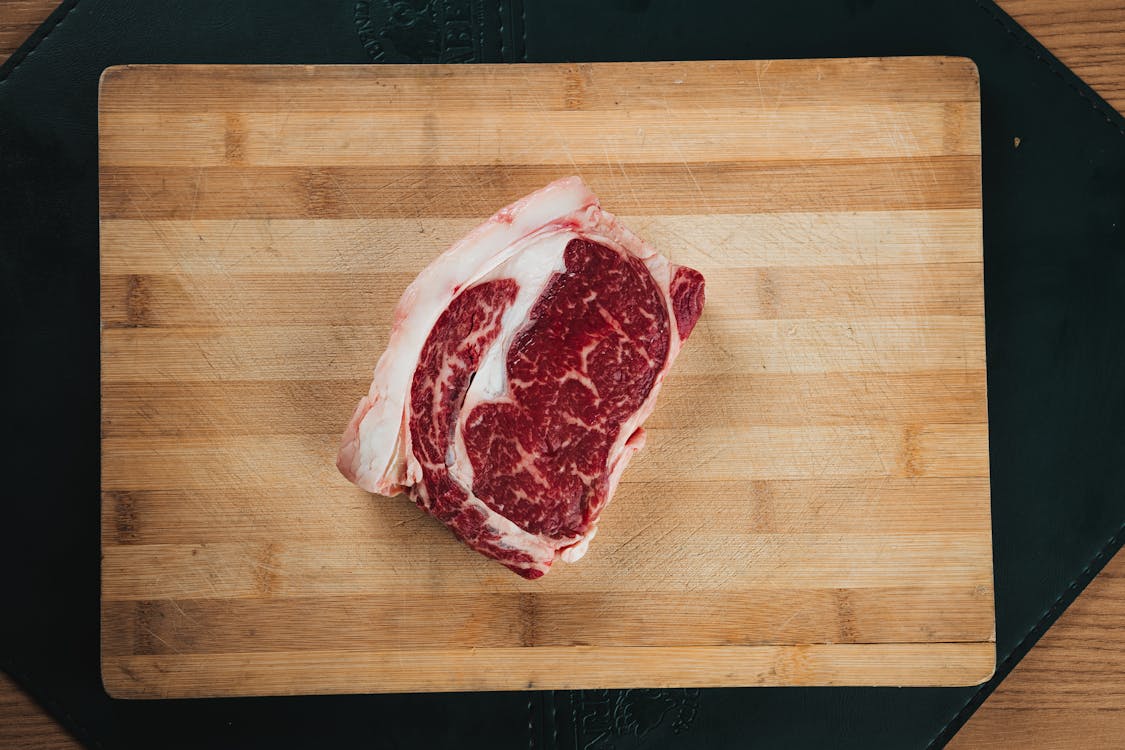
- Beef — ground beef, ribeyes, NY strips, chuck roasts, brisket, short ribs. This is your primary fuel. Don’t be afraid of the fattier cuts; your body needs them. Ground beef in the 70/30 or 80/20 range is an affordable staple that delivers both protein and fat in a ratio most people thrive on.
- Other ruminants — lamb, bison, venison, elk. Lamb is particularly nutrient-dense and often well-tolerated by people with sensitivities. Bison tends to be leaner, so pair it with added fat if it’s a regular part of your rotation.
- Pork — bacon, pork chops, pork belly, sausage (check for fillers and added sugars). Pork is a solid addition for variety, though some people find they do better when beef is the base.
- Poultry — chicken thighs, wings, turkey. Poultry tends to be leaner and lower in nutrient density compared to red meat, so it works best as a supporting player rather than the main event.
- Seafood — salmon, sardines, shrimp, cod, oysters, mussels. Fatty fish like salmon and sardines bring omega-3s that are harder to get from land animals alone. Oysters and mussels are mineral powerhouses.
- Eggs — one of the most nutritionally complete foods on the planet. Some people tolerate them beautifully; others find they cause digestive discomfort or inflammatory responses. If eggs don’t sit well with you after a few weeks, it’s okay to set them aside and revisit later.
- Dairy — butter, ghee, heavy cream, hard aged cheeses. Dairy is one of those areas where individual tolerance varies wildly. Some people do well with it from day one; others find it stalls their progress or causes digestive issues. If you’re including dairy, start with butter and ghee (which are mostly fat with minimal lactose and casein) and introduce other forms slowly. If something isn’t working, pull it and see what changes.
- Organ meats — liver, heart, kidney. These aren’t required, and I don’t want anyone to feel like they need to force down liver to do carnivore “correctly.” That said, organ meats are among the most nutrient-dense foods that exist. Liver in particular is loaded with bioavailable vitamin A, B12, folate, iron, and copper. If you can tolerate it—even in small amounts mixed into ground beef—it’s worth considering.
A note on variety: keeping it interesting matters more than people give it credit for. Trying different cuts, different cooking methods, and different seasonings (salt, pepper, garlic powder—keep it simple and watch for added sugars in spice blends) can be the difference between sticking with this long-term and burning out on the same plate of ground beef every night.
Fat and Protein: Finding Your Ratio
This is where a lot of people get tripped up, and I think the confusion comes from two places: the assumption that carnivore is just “eat as much meat as possible,” and the fact that most of us have spent decades being told to avoid fat.
Here’s the reality—fat is your new primary fuel source. When you remove carbohydrates, your body shifts to burning fat for energy through a process called ketosis. If you’re eating too lean, you’re not giving your body enough fuel to make that switch efficiently, and you’re going to feel it.
If you’re coming from a low-fat or moderate-fat diet, your gallbladder and liver may need time to ramp up bile production to handle the increased fat load. Starting with leaner cuts and gradually introducing fattier options over the first one to two weeks helps your digestive system catch up without overwhelming it. Think chicken breast and sirloin the first week, moving toward ribeyes and ground beef with higher fat content by week two or three.
If you’re already eating a higher-fat diet (keto, paleo, or generally fat-adapted), you can likely jump into fattier cuts right away without the same adjustment period.
The protein side matters too. Most people on carnivore land somewhere around one to two pounds of meat per day—and that range is wide on purpose. Your appetite will guide you once you’re adapted. In the early days, though, I’d encourage you to eat when you’re hungry and eat until you’re satisfied. Undereating is one of the most common reasons people feel terrible during the transition. Your body is going through a significant metabolic shift; this isn’t the time to restrict calories.
Over time, most people naturally settle into a pattern of two meals a day—sometimes one, sometimes three. Let your hunger guide you rather than a clock. One of the beautiful things about being in a fat-adapted state is that the constant hunger and blood sugar crashes that come with a carbohydrate-heavy diet tend to disappear. When they do, trust it.
A practical starting point. If you’re looking for a concrete framework to work from—especially in the early healing and adaptation phase—a reasonable baseline is roughly 1 gram of protein per pound of your target body weight, with fat grams matched to that same number. If your target body weight is 170 pounds, that looks like roughly 170 grams of protein and 170 grams of fat per day. This isn’t a prescription; it’s a starting framework that gives your body enough of both macronutrients to fuel the transition and support the healing that happens in those first weeks.
From there, it becomes about paying attention and adjusting. If you’re feeling sluggish or hungry between meals, more fat may be what your body is asking for. If meals feel heavy or you’re uncomfortably full, fat may need to come down slightly. If recovery from exercise feels slow or you’re not preserving lean mass the way you’d expect, protein may need to come up. The ratio isn’t fixed—it’s a starting point you personalize over time based on how you feel, how your body responds, and what your goals are. Working with a practitioner who understands these ratios can help you dial it in faster, but even on your own, your body gives you feedback if you’re paying attention.
The Adaptation Period: What’s Actually Happening
This is the part that makes or breaks most people’s experience, and I want to be upfront about it—the first one to four weeks can feel rough. What you’re going through has been called the “carnivore flu” or “keto flu,” and it’s not actually an illness; it’s a metabolic transition.
Here’s what’s happening under the hood:
Your body has been running on glucose from carbohydrates for most of your life. When you pull carbohydrates out, your glycogen stores deplete within the first 24 to 48 hours. Each gram of glycogen holds roughly three to four grams of water, so as glycogen drops, you lose a significant amount of water—and with it, electrolytes. Your kidneys start excreting more sodium as insulin levels fall, and potassium and magnesium follow. Meanwhile, your mitochondria are dusting off the fat-burning machinery that’s been sitting underused, ramping up ketone production, and learning to run on a completely different fuel source.
This metabolic reorganization can produce:
- Fatigue and low energy (your body is between fuel sources)
- Brain fog and difficulty concentrating
- Headaches
- Irritability and mood swings
- Muscle cramps
- Nausea
- Dizziness or lightheadedness
- Disrupted sleep
- Heart palpitations (usually an electrolyte issue)
None of this is a sign that something is going wrong. All of it is temporary. For most people, the worst of it passes within the first two weeks, with full adaptation settling in somewhere between four and six weeks. Everyone’s timeline is different; your starting point, your metabolic health, your activity level, and your history with dietary change all factor in.
What I see in practice is that people who manage their electrolytes well, eat enough food, and don’t try to white-knuckle through the discomfort tend to have a significantly smoother transition than people who just grit their teeth and hope for the best. This is one of those areas where a little knowledge and preparation goes a long way.
Electrolyte Support: The Non-Negotiable
If there’s one section of this guide I’d want you to read twice, it’s this one.
Electrolyte management during the transition to carnivore is not optional—it’s the single biggest lever you have for reducing adaptation symptoms. The fatigue, the headaches, the muscle cramps, the heart palpitations, the brain fog—most of these symptoms are driven by electrolyte depletion, not by the diet itself.
Here’s what to focus on:
Sodium — This is the big one. When insulin drops, your kidneys release sodium at a much higher rate than they do on a carbohydrate-heavy diet. Most people transitioning to carnivore need somewhere in the range of 3,000 to 5,000 milligrams of sodium per day—significantly more than what you’re probably used to. Salt your food liberally. Use a high-quality salt like Redmond Real Salt or Himalayan pink salt, which also carry trace minerals. Bone broth is another excellent vehicle for sodium; a cup or two a day during the transition can make a real difference.
Potassium — Potassium follows sodium out through the kidneys, and a deficiency can show up as muscle cramps, weakness, or even heart rhythm irregularities. Animal-based sources include organ meats (particularly heart), sardines, salmon, and eggs. If your dietary intake feels insufficient, a potassium supplement or using a product like NoSalt (potassium chloride) to salt food can help bridge the gap—though I’d recommend working with a practitioner before supplementing potassium aggressively, as too much at once can affect heart function.
Magnesium — One of the most commonly deficient minerals in the general population, and carnivore doesn’t always solve it through food alone, especially in the early weeks. Magnesium glycinate is the form I’ve seen the most success with in practice—it’s well-absorbed, tends to be gentle on the stomach, and has a calming effect on the nervous system that can help with the sleep disruption some people experience during adaptation. A dose in the range of 200 to 400 milligrams before bed is a reasonable starting point. Magnesium malate is another well-tolerated option. I’d steer away from magnesium oxide—it’s poorly absorbed and tends to cause GI issues.
The good news is that once you’re fully adapted and eating a well-rounded carnivore diet—especially one that includes bone broth, organ meats, and seafood—most people find they no longer need to supplement electrolytes beyond salting their food well. These are transition supports, not lifelong dependencies. If you want to go deeper on the physiology of why electrolytes shift so dramatically during this period, this post on electrolytes covers the full picture.
Digestive Support: Helping Your Body Catch Up
Your digestive system is about to process significantly more protein and fat than it’s used to. For some people, this transition is smooth; for others, it takes a little help.
There are a few supplements I’ve seen make a meaningful difference for people whose digestion struggles during the switch:
Ox bile — Your gallbladder produces bile to emulsify and digest fat. If you’ve been eating a lower-fat diet for years, your gallbladder may not be producing enough bile to handle the sudden increase in dietary fat. Ox bile supplements essentially give your gallbladder a hand while it ramps up production. This is particularly relevant for anyone who’s had their gallbladder removed (a situation that has its own dedicated guide)—without it, bile drips continuously rather than being released in concentrated bursts with meals, which can make high-fat meals uncomfortable. Take ox bile with meals, especially fattier ones.
TUDCA (tauroursodeoxycholic acid) — This is a bile acid that supports healthy bile flow and liver function. Where ox bile supplements the bile itself, TUDCA helps improve the quality and flow of the bile your body is already producing—think of it as supporting the plumbing, not just adding more water. It can be particularly helpful for people who feel sluggish, nauseated, or heavy after fatty meals even with ox bile on board, as it may indicate that bile is thick or sluggish rather than simply insufficient. TUDCA pairs well with ox bile and betaine HCl as part of a more comprehensive digestive support stack during the transition. It’s typically taken with meals, and like the other digestive supports here, the goal is to use it while your body’s bile production and flow normalize—not indefinitely.
Betaine HCl — This is supplemental hydrochloric acid. Your stomach needs adequate acid to break down protein efficiently, and many people—especially those who’ve been on acid-reducing medications like PPIs—are producing less stomach acid than they need. Signs that this might be relevant for you include feeling like food “sits” in your stomach for a long time, bloating after meals, or acid reflux that paradoxically gets worse when you eat meat (which can actually be a sign of too little acid, not too much). Betaine HCl is typically taken with protein-heavy meals.
Lipase and digestive enzymes — Lipase specifically targets fat digestion, while a broader digestive enzyme blend can support the breakdown of both protein and fat. A combination supplement that includes betaine HCl, lipase, and protease covers multiple bases during the transition. Designs for Health Digestzymes and NOW Super Enzymes are two formulations I’ve seen work well in practice—both include betaine HCl and ox bile alongside a broader enzyme profile.
These are temporary supports. I want to be clear about that. The goal is to use them while your body’s own digestive capacity catches up—not to rely on them indefinitely. Most people find they can taper off digestive support within four to eight weeks as their stomach acid production, bile output, and enzyme activity normalize. If you’re still needing them beyond that window, it’s worth looking deeper with a practitioner to understand why.
One more thing worth saying: you don’t need to do all of these to see meaningful improvement. The supplements above are listed roughly in order of standalone impact—if budget is a factor or you’d rather keep things simple, starting with just ox bile or a combination digestive enzyme with your meals covers a lot of ground on its own. Add the others only if your body is asking for more support. Meet yourself where you are.
What to Expect: Bowel Changes, Hunger, and Energy
A few things are going to change that can feel alarming if nobody warns you ahead of time.
Bowel movements will change. Frequency will decrease—sometimes significantly. This is normal. Your body absorbs and utilizes meat very efficiently; there’s simply less waste to eliminate. Going once a day or even once every two to three days is common and not a sign of constipation. What you’re looking for is comfort—if you’re going less frequently and there’s no pain, straining, or distress, you’re fine. If diarrhea shows up early, it’s usually related to fat adaptation and tends to resolve within the first two weeks. Adding salt can help with loose stools, and if fat is the driver, scaling back on rendered fat (the liquid fat that cooks out of meat in the skillet) while your digestion adjusts can make a difference.
Your hunger patterns will shift. In the early days, you may feel ravenous—and that’s a signal to eat, not to restrict. As fat adaptation progresses, something interesting happens: the constant background hunger that carbohydrates tend to produce starts to disappear. You’ll likely find that you’re naturally eating less frequently, that meals hold you for longer, and that the urgent “I need to eat right now” feeling fades. Many people land on two meals a day without any effort to intermittent fast—it just happens organically when blood sugar stabilizes and your body gets efficient at accessing stored fat for fuel.
Your energy will fluctuate before it stabilizes. The first one to two weeks can feel like a rollercoaster—bursts of energy followed by dips where you want to be horizontal on the couch. This is normal and directly related to the metabolic transition. Your body is switching fuel systems, and the handoff isn’t always smooth. By weeks three to four, most people report that their energy not only stabilizes but often surpasses what they were used to before. Steady, even, all-day energy without the crashes—that’s what fat adaptation feels like when it clicks.
Athletic performance will temporarily dip. If you’re someone who exercises regularly, expect a decrease in performance for anywhere from two to six weeks. This can be frustrating, especially for people who are used to high-intensity training. Your body is rebuilding its energy pathways, and that takes time. Reduce intensity during the transition if you need to; this isn’t the time to chase personal records. The performance comes back—and for many people, it comes back stronger.
Beyond the Basics
A few additional things that, in my experience, make a meaningful difference:
Bone broth. I’ve mentioned it a few times already, and that’s intentional. Bone broth is one of the most versatile tools in the carnivore transition kit. It delivers sodium, supports gut lining integrity through collagen and amino acids like glycine and glutamine, and serves as a warm, soothing meal option on days when a full plate of steak doesn’t appeal to you. Homemade is ideal—simmered for 12 to 24 hours with a splash of apple cider vinegar to draw out minerals—though a quality store-bought option works in a pinch.
Rendered fat vs. non-rendered fat. This is a distinction most people don’t learn about until they’re dealing with digestive distress. Rendered fat is the liquid fat that cooks out of meat and pools in the pan. Some people handle it without issue; others find that it causes loose stools or nausea, especially early on. If you’re one of those people, try eating your fat “on the meat” rather than drinking it from the skillet. The difference in digestive tolerance can be dramatic.
Keep a simple food journal. Nothing fancy—just a note of what you ate and how you felt. This helps you identify patterns: maybe pork doesn’t sit well with you, maybe eggs cause a histamine response, maybe rendered fat is the trigger for your digestive discomfort. A few weeks of simple notes can reveal patterns that would otherwise take months to figure out through trial and error.
Spice it up—carefully. Salt and pepper are universally fine. Beyond that, simple spice blends can keep meals interesting, though you want to check ingredient labels for hidden sugars and fillers. Garlic powder, onion powder, paprika, cumin—these are common additions that most people tolerate well. Some strict carnivore practitioners eliminate all plant-derived seasonings; for most people transitioning in, keeping a few spices in the rotation makes the diet more sustainable without undermining the benefits.
Commit to a minimum window. Thirty days is the standard recommendation, and I’d echo that as a minimum. Ideally, sixty to ninety days gives your body enough time to fully adapt, for inflammation to settle, and for you to start seeing the downstream effects on energy, mood, sleep, skin, and labs. The adaptation period is an investment; the returns come after. Try not to judge the diet by how you feel on day five.
When It’s More Than Just Adaptation
I want to add a layer of nuance here, because I think it’s important.
For most people, the symptoms I’ve described resolve within the first four to six weeks. If they don’t—or if they worsen—that’s worth paying attention to. Sometimes the issue isn’t the diet itself; it’s something underneath that the dietary change is revealing.
Thyroid function can shift during dietary transitions, particularly T3 levels. If fatigue persists well beyond the adaptation window, thyroid labs are worth running. Adrenal health and cortisol patterns can play a role too—if you’re coming into this with an already overtaxed stress response, your body may need more support than electrolytes alone can provide.
Pre-existing gut issues—SIBO, low stomach acid, bile insufficiency, or intestinal permeability—can make the digestive transition harder than it needs to be. This is where working with a practitioner who understands both the diet and the underlying physiology becomes valuable. The dietary shift isn’t failing you in these cases; it’s just not the only thing that needs attention.
Medications are another factor worth considering. Certain medications can interact with a low-carbohydrate state—blood sugar medications need to be monitored closely as insulin sensitivity improves, blood pressure medications may need adjustment as blood pressure drops, and medications that affect electrolyte balance can compound the shifts you’re already experiencing. If you’re on any prescription medications, please work with your prescribing provider as you make this transition. This isn’t a place to go it alone.
This Is the Part Where I Tell You It’s Worth It
I could fill another several thousand words with the stories of people I’ve worked with whose lives changed on the other side of this transition—the ones who came off blood pressure medications, the ones whose autoimmune markers improved, the ones who slept through the night for the first time in years, the ones who told me they didn’t know they could feel this good.
I won’t, because those are their stories to tell. What I will say is this: the adaptation period is real, it can be uncomfortable, and it’s temporary. On the other side of it is a metabolic state that most people in the modern world have never experienced—one where your body is efficient at accessing its own fat for fuel, where hunger isn’t an emergency, where energy is steady instead of a series of spikes and crashes, and where inflammation has a chance to quiet down in ways it can’t when you’re constantly stoking it with foods that don’t serve you.
You don’t need to hold all of this in your head at once. Start with the food. Salt it well. Drink your broth. Eat enough. Give your body time. Pay attention to how you feel, and don’t be afraid to ask for help if something doesn’t feel right.
I hope this gives you the foundation to move forward with confidence—or at least with enough information to know what’s happening when the transition gets uncomfortable. That’s half the battle.
I hope this genuinely serves you.
Rance Edwards is a National Board Certified Health and Wellness Coach (NBC-HWC) with over 2,000 clinical hours of experience, specializing in chronic disease management and lifestyle medicine.
If you’re considering carnivore and want support from someone who’s walked alongside hundreds of people through this transition, I’d love to hear from you. Book a free discovery call—no pressure, just a conversation about where you are and what might help.
Photo by Tiago Morheto on Pexels